The Difference Between SEO and Paid Website Promotion

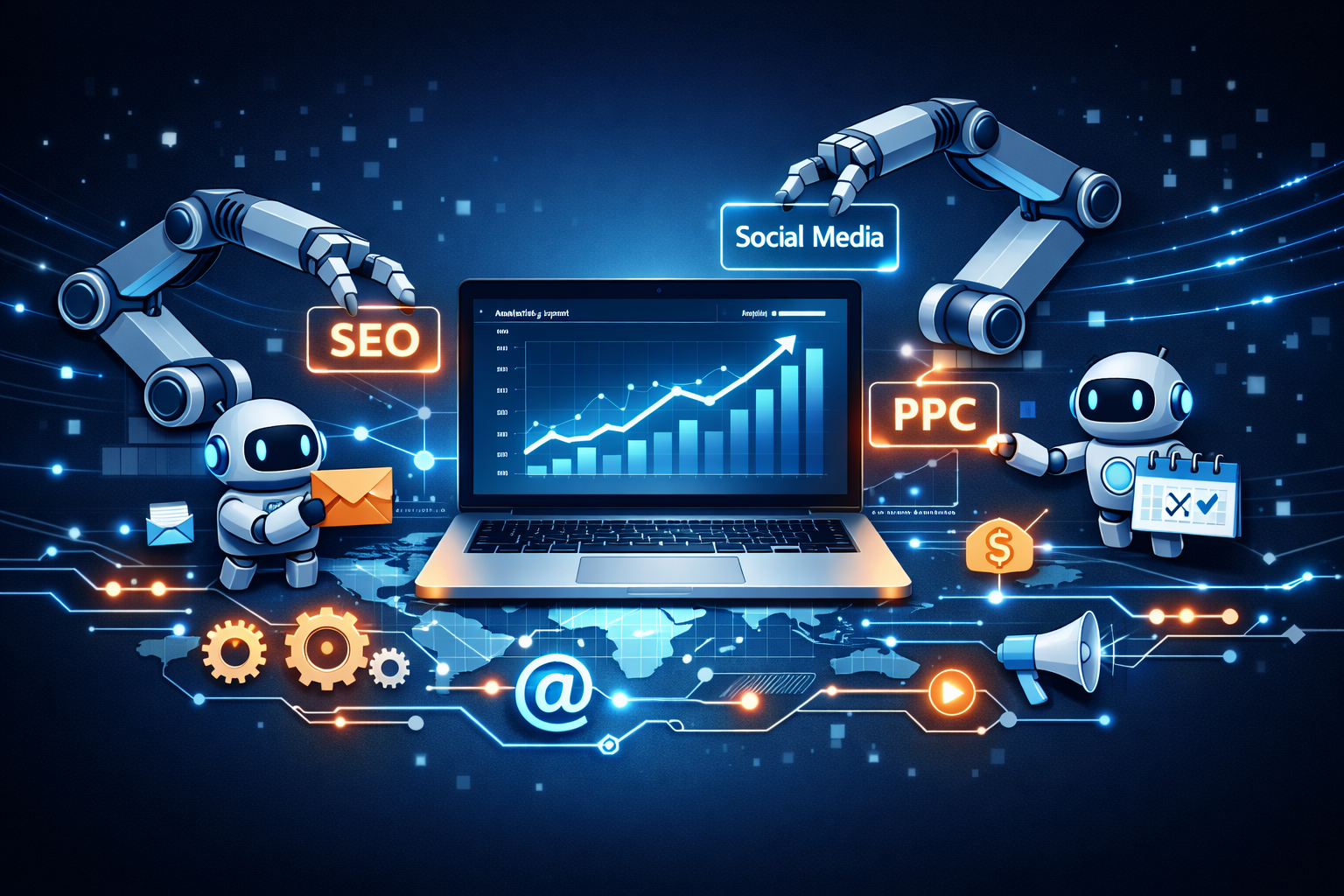
In the dynamic landscape of digital marketing, businesses face a critical decision when determining how to increase their online visibility and drive traffic to their websites. Two primary methodologies dominate this space: search engine optimization (SEO) and paid website promotion. Understanding the fundamental differences between these approaches is essential for developing an effective digital marketing strategy that aligns with your business objectives, budget constraints, and long-term goals.
Understanding Search Engine Optimization (SEO)
Search engine optimization represents a comprehensive set of strategies and techniques designed to improve a website's visibility in organic search engine results. We focus on optimizing various elements of a website to ensure search engines can effectively crawl, index, and rank the content based on relevance and quality signals.
Core Components of SEO
The foundation of effective SEO rests on several interconnected pillars. On-page optimization involves refining individual web pages to rank higher and earn more relevant traffic. This includes optimizing title tags, meta descriptions, header tags, content quality, keyword placement, internal linking structures, and URL optimization.
Technical SEO addresses the backend elements that affect how search engines access and interpret your website. We implement structured data markup, ensure mobile responsiveness, optimize page loading speeds, create XML sitemaps, manage robots.txt files, and establish secure HTTPS protocols.
Off-page SEO encompasses activities performed outside your website to impact rankings within search engine results pages. We build high-quality backlinks from authoritative domains, engage in social media marketing, manage online reputation, participate in guest blogging, and cultivate brand mentions across the digital ecosystem.
The Long-Term Value Proposition of SEO
One of the most significant advantages of SEO is its sustainable nature. Unlike paid advertising that stops generating traffic the moment you cease funding campaigns, properly executed SEO continues delivering results long after the initial optimization work. We invest time and resources into creating valuable content and building domain authority that compounds over time.
The cost-effectiveness of SEO becomes apparent when analyzed over extended periods. While initial implementation requires significant effort and expertise, the ongoing maintenance costs remain relatively modest compared to the continuous expenditure required for paid promotion. Organic traffic generated through SEO typically demonstrates higher conversion rates because users perceive organic listings as more trustworthy and credible.
Exploring Paid Website Promotion
Paid website promotion encompasses various advertising methods where businesses pay to display their content, products, or services to targeted audiences. The most common forms include pay-per-click advertising, display advertising, social media advertising, and sponsored content placements.
Primary Forms of Paid Promotion
Pay-per-click (PPC) advertising through platforms like Google Ads allows businesses to bid on keywords and display ads in search results above organic listings. We create targeted campaigns that appear when users search for specific terms, paying only when someone clicks on the advertisement.
Display advertising involves placing visual banner ads across websites within advertising networks. These graphically rich advertisements appear on relevant websites frequented by your target demographic, building brand awareness and driving traffic through compelling visual messaging.
Social media advertising leverages platforms like Facebook, Instagram, LinkedIn, and Twitter to reach highly specific audience segments. We utilize sophisticated targeting parameters including demographics, interests, behaviors, and custom audiences to ensure ads reach the most relevant potential customers.
Remarketing campaigns target users who have previously interacted with your website but did not complete desired actions. We strategically position ads before these warm prospects across various platforms, encouraging them to return and complete conversions.
Immediate Results and Scalability
The most compelling advantage of paid promotion is immediate visibility. Unlike SEO which requires months to gain traction, paid campaigns can generate traffic within hours of launch. We activate campaigns and immediately begin driving targeted visitors to specific landing pages designed for conversion.
Precise targeting capabilities allow us to reach exactly the audience segments most likely to convert. We define parameters including geographic location, age ranges, income levels, interests, online behaviors, and purchasing intent. This granular control ensures advertising budgets are allocated toward the highest-value prospects.
The scalability of paid promotion enables rapid growth when market conditions favor expansion. We can increase budgets and scale campaigns almost instantaneously to capitalize on seasonal trends, product launches, or competitive opportunities.
Critical Differences Between SEO and Paid Promotion
Cost Structure and Financial Implications
The cost models differ fundamentally between these approaches. SEO represents an investment in long-term assets—content, technical infrastructure, and authority—that continue generating returns indefinitely. Initial costs may be substantial, but the marginal cost of each additional visitor decreases significantly over time.
Paid promotion operates on a direct expense model where every click, impression, or conversion carries a specific cost. While this provides predictable budgeting and immediate ROI calculations, the cumulative expense continues indefinitely. Stopping paid campaigns immediately halts traffic flow, creating dependency on continuous advertising expenditure.
Timeline and Results Expectations
SEO requires patience and persistence. We typically observe initial improvements within three to six months, with substantial results materializing between six to twelve months. Competitive industries may require even longer timeframes to achieve top rankings. However, once established, these positions often remain stable with regular maintenance.
Paid promotion delivers instantaneous results. We launch campaigns and begin receiving traffic immediately, making it ideal for time-sensitive promotions, product launches, or businesses requiring immediate cash flow. The tradeoff is that results evaporate the moment advertising spend ceases.
Click-Through Rates and User Trust
Research consistently demonstrates that organic search results receive higher click-through rates than paid advertisements. Users have developed sophisticated abilities to distinguish ads from organic content, and many actively avoid clicking advertisements. We observe that organic listings are perceived as more trustworthy and authoritative, leading to superior engagement metrics.
Paid advertisements do capture clicks, particularly for commercial-intent keywords where users actively seek products or services. However, ad blockers, banner blindness, and general skepticism toward advertising reduce overall effectiveness compared to hard-earned organic visibility.
Sustainability and Competitive Advantages
SEO builds sustainable competitive advantages that become increasingly difficult for competitors to replicate. High-quality content, earned backlinks from authoritative sources, and technical excellence create compounding benefits. We establish domain authority that serves as a protective moat around market position.
Paid promotion creates temporary advantages that disappear when competitors increase their advertising budgets or when your budget constraints force campaign reductions. The barrier to entry remains low—any competitor with sufficient capital can immediately challenge your paid advertising positions.
Strategic Integration for Maximum Impact
The most sophisticated digital marketing strategies don't treat SEO and paid promotion as mutually exclusive alternatives but rather as complementary components of a comprehensive approach.
Using Paid Promotion to Support SEO Initiatives
We leverage paid advertising to accelerate content distribution while waiting for organic rankings to develop. New content pieces benefit from initial paid promotion that generates social signals, backlinks, and brand awareness that subsequently support SEO efforts.
Keyword research from paid campaigns provides valuable intelligence for SEO strategy. We analyze which keywords convert most effectively in paid campaigns and prioritize these terms in our organic optimization efforts, ensuring resource allocation toward the highest-value opportunities.
Leveraging SEO to Reduce Paid Advertising Costs
As organic visibility improves, we strategically reduce paid advertising expenditure on keywords where strong organic rankings now generate sufficient traffic. This optimization allows budget reallocation toward more competitive terms or new market segments where organic presence has not yet developed.
Brand recognition built through consistent organic visibility creates higher ad quality scores in paid platforms. Users familiar with your brand from organic interactions demonstrate higher engagement with paid advertisements, reducing cost-per-click and improving overall campaign efficiency.
Making the Strategic Choice
Determining the optimal allocation between SEO and paid promotion depends on several critical factors specific to your business situation.
Budget availability significantly influences this decision. Organizations with limited resources may prioritize SEO despite longer timeframes, while those with substantial capital and immediate revenue requirements might emphasize paid promotion.
Market competitiveness affects the feasibility of each approach. Highly competitive industries with entrenched competitors may require substantial SEO investment over extended periods, making paid advertising more attractive for new market entrants seeking immediate visibility.
Business lifecycle stage also plays a crucial role. Startups and new businesses typically benefit from the immediate results of paid promotion while simultaneously building SEO foundations for long-term sustainability. Established businesses often shift emphasis toward SEO to reduce ongoing customer acquisition costs.
Conversion funnel complexity should inform channel selection. Products or services requiring extensive education or relationship building may benefit more from content-driven SEO strategies, while transactional purchases with short decision cycles often perform well with direct-response paid advertising.
Conclusion
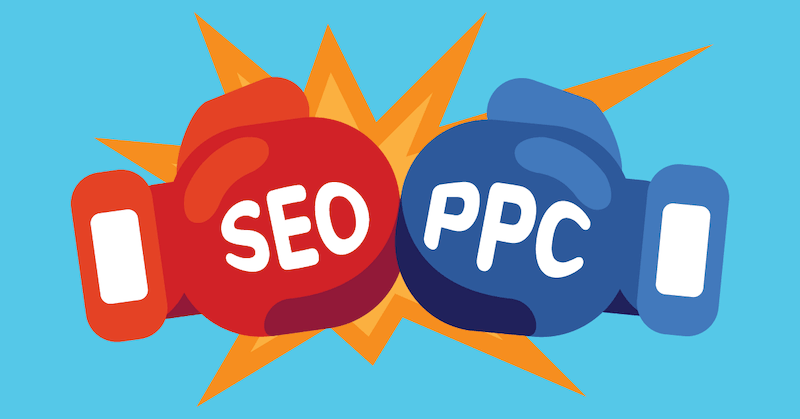
The difference between SEO and paid website promotion extends far beyond simple cost comparisons or timeline considerations. We recognize that these methodologies represent fundamentally different approaches to digital visibility, each offering distinct advantages and limitations.
SEO provides sustainable, cost-effective visibility that builds cumulative value over time, establishing brand authority and creating competitive advantages that compound through continued effort. Paid promotion delivers immediate, scalable results with precise targeting capabilities but requires continuous investment and creates no lasting assets.
The most effective digital marketing strategies embrace both approaches strategically, leveraging paid promotion for immediate results and competitive advantages while simultaneously investing in SEO for long-term sustainability and reduced customer acquisition costs. By understanding these fundamental differences and applying them thoughtfully within your specific business context, we create comprehensive digital marketing strategies that deliver both immediate results and lasting competitive advantages.